

Skin as the Common Denominator – Inclusivity in Cosmetics Inside Out
This is one of the most fascinating shifts in modern beauty – skincare is becoming a space free from roles and stereotypes. Skin remains our common denominator.
The mirror doesn’t lie, but it also doesn’t ask unnecessary questions. When we stand before it in the morning, no matter how old we are, what our gender is, or what story our body tells, our skin always speaks to us in the same language. It needs cleansing, soothing, and hydration. It knows no cultural codes or marketing boundaries. Skin is democratic, and that is precisely what makes it—in today’s era of redefining beauty—the common denominator charting a new era of inclusivity in skincare.
Divisions inherited from advertising
Not long ago, drugstore shelves looked like a battleground of gender labels. Pastel packaging promising “radiant skin” stood next to graphite tubes ensuring “energy and strength”. Women were meant to fight wrinkles; men, a lack of vigor. The narrative was simple, almost infantile: gender dictated the skin’s needs. Yet science has long told a different story. Dermatologists emphasize that core processes—such as water loss, sebum production, and UV sensitivity—occur similarly in everyone. Differences exist, but they are secondary to what we have in common. “Skin is skin,” experts repeat. For a long time, however, marketing preferred telling fairy tales that allowed selling twice as many products.
The birth of inclusivity
In the last decade, this pattern has begun to crumble. The rising influence of social movements—from body positivity to gender equality—has also reached the beauty industry. Inclusivity in skincare today isn’t about adding catchphrases to ads. It is a deeper shift, moving the narrative from “who you are” to “what your skin needs”. It is a language of universal needs instead of boxes and labels.
Skin as a common denominator
When we look at skincare through this prism, it turns out that skin care is one of the few areas that can truly unite us. Contemporary research shows that regardless of age or gender, the most commonly reported dermatological concerns are dehydration, hypersensitivity, acne breakouts, and signs of aging. It is a universal alphabet of the skin – shared by women, men, and non-binary individuals.
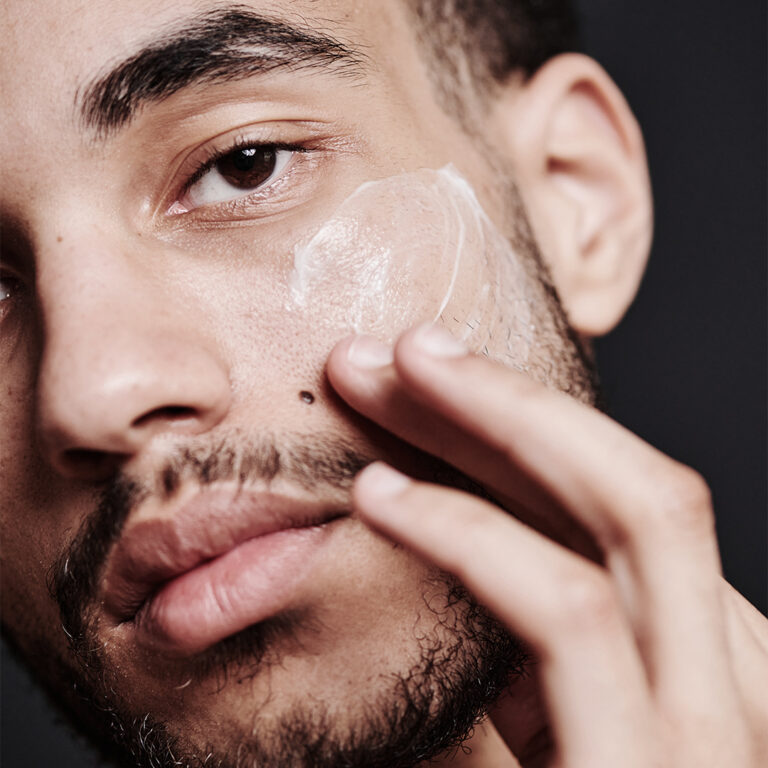
Psychology suggests that this perspective also holds emotional significance. The act of skincare, when stripped of imposed narratives, becomes an act of self-acceptance. It is not an attempt to conform to external expectations, but an intimate ritual of self-care.
A market responding to change
The beauty world is still quite slow to respond to these needs. Inclusivity has the potential to become one of the strongest trends not only in communication, but also in product design. Minimalism, ingredient transparency, high quality of raw materials – these are the new selection criteria. Customers increasingly expect education and honesty. They do not want color codes or platitudes. They want to understand what they are putting on their skin and why it works.
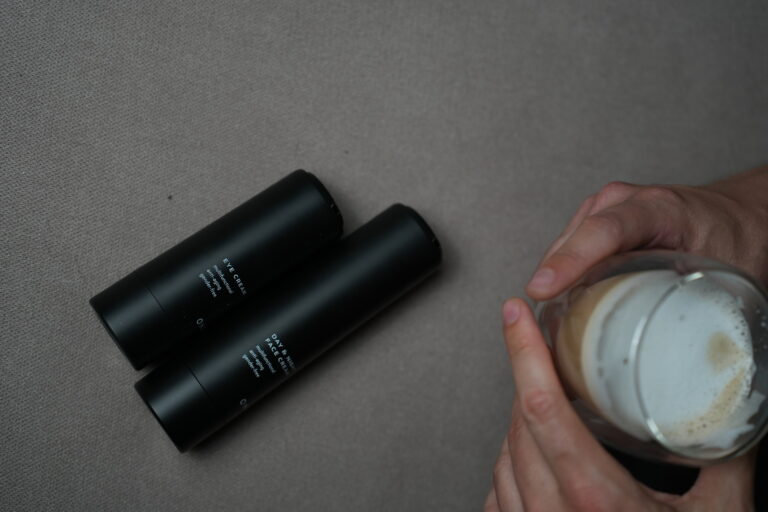
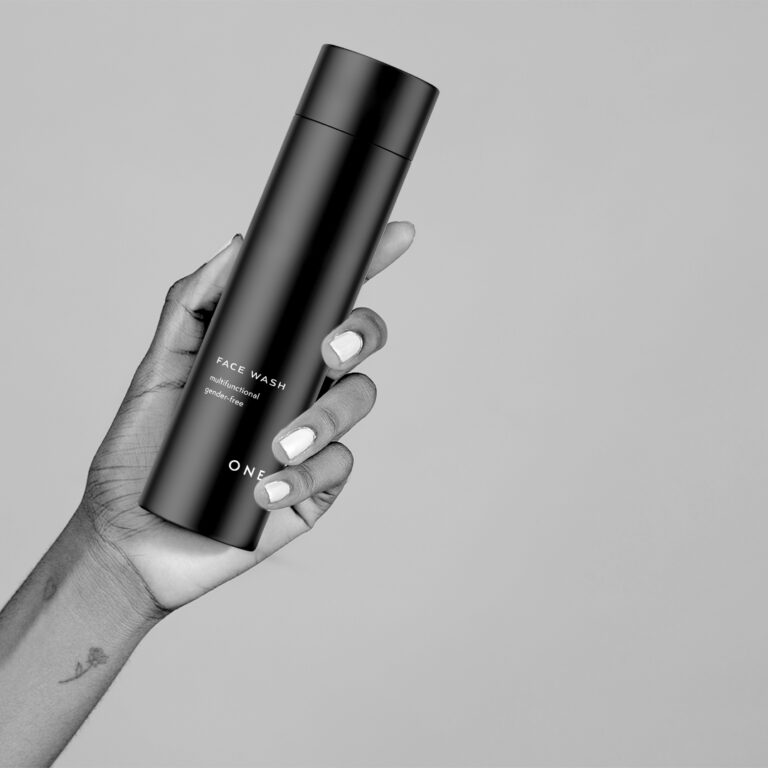
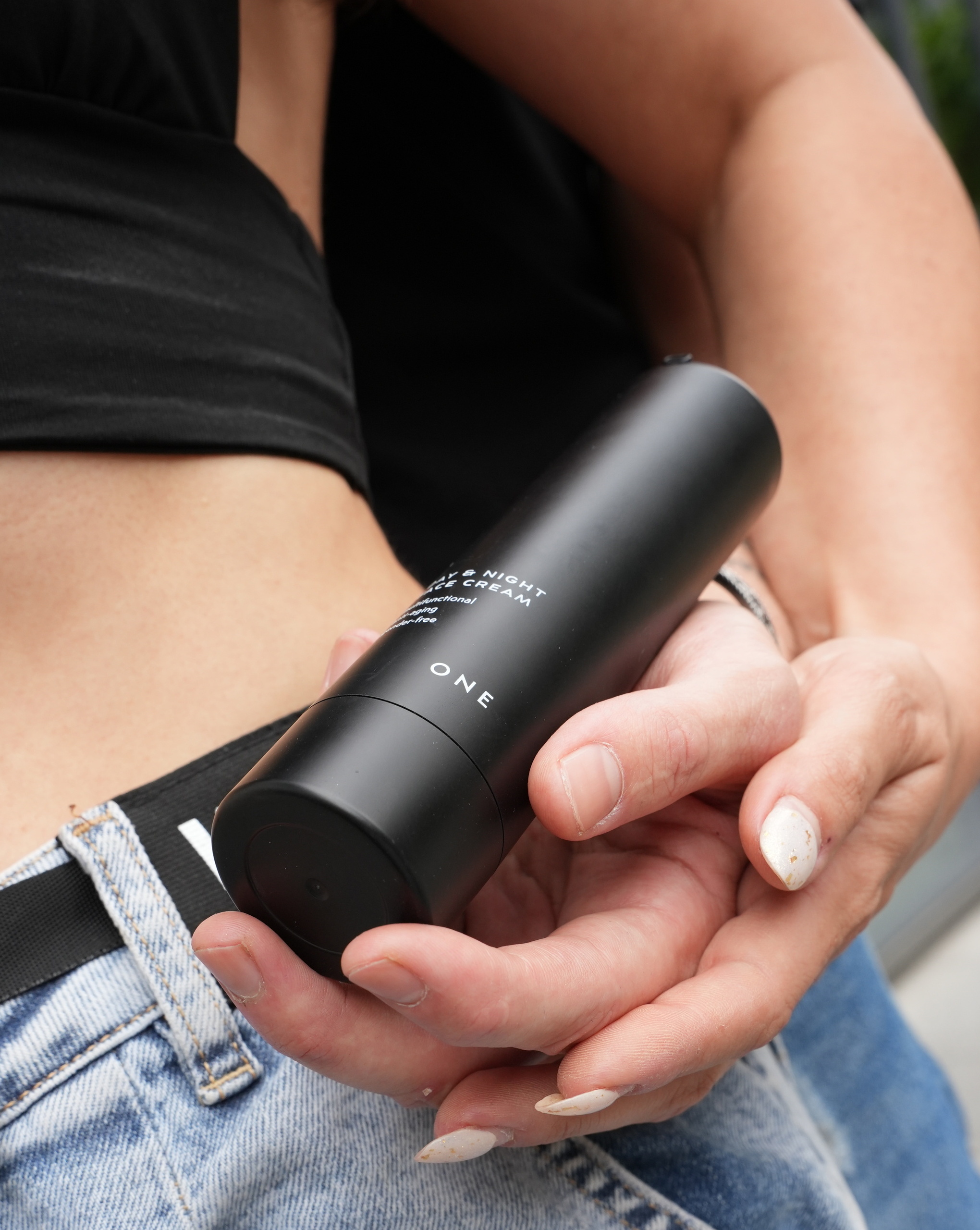
The ONE brand fits into this landscape as the answer to a question that has long lingered in the air: is it possible to create a skincare line without labels? Short, well-thought-out, and designed for everyone? Four multifunctional products: cleansing foam, toner, face cream, eye and target area cream create a system that does not ask who you are. Only the skin is at the center. Ingredient transparency, dermatological and ophthalmological testing, minimalist design – these are the elements that prove inclusivity can be realized consistently, from formula to communication.
A skincare culture without boundaries
You could say that inclusivity in cosmetics is just one piece of a larger cultural puzzle. More and more, we are moving away from the language of division across many spheres of life—from fashion to art. Unisex is no longer a fashion experiment; it is becoming part of everyday life. In skincare, this shift holds particular power because it touches something deeply personal—our skin, which is our daily contact with the world. That is why the movement toward inclusivity feels so liberating. It allows us to look in the mirror and simply see a human being, not a “woman” or a “man”. It is a shift in focus from the label to the experience.
The Shared Language of Skin
In a world that loves to divide and classify, skin remains the common denominator. It reminds us that, at the most fundamental level, we are alike. Inclusivity in cosmetics is therefore not just a marketing strategy; it is an expression of deeper understanding. When we reach for a cream, cleansing foam, or toner, we do not need to ask if it is “for us”. Skin knows no such questions. It only knows answers: hydrate me, protect me, cherish me. And within that simplicity lies true freedom.